
What Makes Karate Classes Ideal for Building Discipline?
Discipline is often described as the foundation of success, yet it remains one of the hardest qualities to develop on your own. Many people search for structured activities that naturally cultivate focus, consistency, and self control, and karate consistently ranks among the most effective options. So what exactly makes this particular martial art so well suited for building discipline, and why do so many parents and adults alike turn to it?
A Structured Path With Clear Milestones
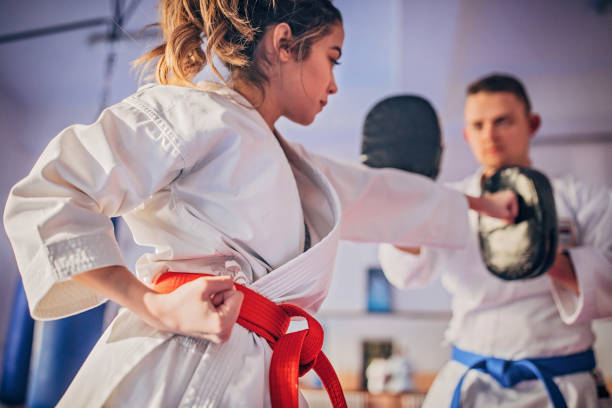
One of the defining features of traditional training is the belt ranking system. Students progress through a series of levels, each requiring mastery of specific techniques before advancing. This structure gives students a clear roadmap of what they are working toward, turning an abstract goal like discipline into something tangible and measurable. Watching progress unfold belt by belt provides motivation that keeps students engaged over the long term, rather than losing interest after a few sessions.
Repetition Builds More Than Muscle Memory
Training involves consistent repetition of forms, stances, and techniques. While this repetition sharpens physical skill, it also trains the mind to embrace consistency and patience. Students quickly learn that mastery does not happen overnight, and that meaningful improvement requires showing up and putting in effort even on days when motivation is low. This lesson translates directly into other areas of life, from academic work to professional responsibilities.
Respect as a Core Principle
Traditional dojo culture places heavy emphasis on respect, toward instructors, training partners, and the practice itself. Students bow before entering the training space, address instructors with proper titles, and follow established etiquette throughout class. These small rituals reinforce a mindset of humility and respect that carries far beyond the training floor. Many parents specifically choose karate classes for their children because of this strong emphasis on respectful behavior and self control.
Focus Under Pressure
Sparring and technique drills require intense concentration, as students must react quickly while maintaining proper form and control. This constant demand for focus trains the brain to filter out distractions and stay present in the moment. Over time, students develop the ability to concentrate deeply, a skill that benefits schoolwork, professional tasks, and everyday problem solving. The mental discipline built through training often surprises parents who notice improved focus in their children well beyond the dojo.
Setting and Achieving Goals
Every student begins as a white belt with a long journey ahead. Along the way, smaller goals such as learning a new form or mastering a specific technique provide constant opportunities for achievement. This process teaches students how to set realistic goals, work steadily toward them, and experience the satisfaction of earning progress through consistent effort. These goal setting skills often become second nature, influencing how students approach challenges outside of training as well.
Physical Discipline and Self Control
Training requires significant control over your own body and reactions. Students must learn to hold stances with proper form, execute strikes with precision, and control the power behind their movements, particularly when working with training partners. This physical self control naturally extends into emotional self control, as students practice managing frustration, patience, and composure during challenging drills or sparring sessions.
A Supportive Community Environment
Dojos often function as tight knit communities where students encourage one another and celebrate shared progress. This supportive atmosphere reinforces positive behavior and discipline through peer example. Younger students look up to more advanced belts, while adults find accountability partners who help them stay consistent with attendance and effort. This community reinforcement makes discipline feel less like a personal burden and more like a shared journey.
Discipline That Extends Beyond the Dojo
Perhaps the most valuable outcome of consistent training is how naturally these lessons apply to daily life. Students often report improved time management, better academic or work performance, and a greater ability to stick with commitments even when things get difficult. Parents frequently notice their children becoming more organized and responsible, while adult students find themselves more consistent with fitness and personal goals overall.
Getting Started
For those interested in developing stronger discipline through training, finding a reputable school with experienced instructors is an important first step. Trial classes offer a great opportunity to experience the structure and culture firsthand before committing long term. Whether the goal is personal growth, physical fitness, or building strong character in a child, few activities offer the same combination of structure, respect, and consistent challenge.
Final Thoughts
Discipline is not something that develops overnight, but consistent training provides one of the most effective paths toward building it. The structured progression, respectful culture, and constant demand for focus all work together to shape students into more disciplined, confident individuals both on and off the training floor.