
What Is Underwater Inspection and Dam Construction?
Large water structures shape how communities live, farm, and generate power. Behind their strength is careful planning, constant monitoring, and skilled work below the waterline. Two practices make this possible: underwater inspection and dam construction. Together, they protect lives, resources, and infrastructure.
Dams operate under constant pressure from water, sediment, and time. Much of their critical structure stays hidden below the surface, where damage can grow unnoticed. This is why underwater inspection matters just as much as solid dam construction. These two fields work side by side to keep dams safe, functional, and long-lasting.
Strong dams depend on what we can’t see as much as what we can.
Understanding Dam Construction
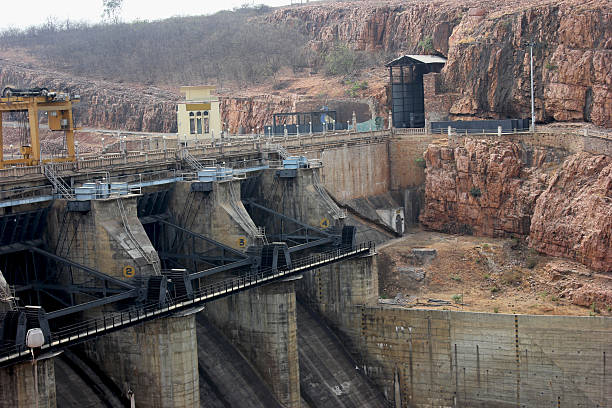
Dam construction involves building barriers that control or store water. These structures support irrigation, drinking water, flood control, and energy production. Engineers choose dam types based on terrain, water flow, and purpose. Common types include concrete gravity dams, arch dams, and earth-fill dams.
During construction, teams focus on strong foundations, proper material placement, and controlled water flow. Any weakness at this stage can cause future failure. Quality control and testing guide every step.
Example:
A concrete gravity dam relies on its weight to resist water pressure. Engineers test the riverbed before construction to ensure it can handle the load.
The Role of Underwater Inspection in Dam Construction
Why underwater inspection matters
Underwater inspection allows engineers to assess parts of a dam that stay submerged year-round. Divers or remotely operated vehicles check for cracks, erosion, joint damage, and debris buildup. These inspections support both new dam construction and existing structures.
Dam construction projects often include underwater inspection during foundation preparation and after key build stages. This confirms that underwater work meets design standards.
- Common inspection targets include foundations, spillways, intake towers, and outlet works.
Pro tip:
Schedule underwater inspection after seasonal water level changes. Shifts in pressure often reveal early damage.
How Underwater Inspection Is Performed
Inspectors use visual checks, tactile methods, sonar, and video tools. In shallow or clear water, divers conduct hands-on reviews. In deep or murky water, robotic systems handle the task.
Clear reporting matters. Inspectors document findings with photos, measurements, and condition ratings. Engineers then decide if repairs or monitoring are needed.
Example:
During a routine inspection, a diver finds minor concrete spalling near a spillway base. Early repair prevents steel exposure and larger structural loss.
Early detection reduces repair cost and risk.
Challenges Below the Surface
Working underwater adds limits that surface inspections do not face. Visibility drops, currents push equipment, and access points stay narrow. Safety protocols guide every operation.
Dam construction teams plan for these challenges early. Designs include inspection access points and smooth underwater surfaces that resist debris buildup.
Long-Term Value of Regular Inspections
Regular underwater inspection extends the service life of dams. It helps owners meet safety regulations and plan maintenance budgets. Small repairs handled early prevent emergency shutdowns later.
When paired with solid dam construction, inspections build confidence in the structure’s performance. Communities downstream rely on this quiet but critical work every day.
Conclusion
Underwater inspection and dam construction serve one goal: safe and reliable water control. Dam construction creates the structure, while underwater inspection protects it over time. Ignoring either puts the entire system at risk.
A dam’s strength depends on careful building and constant attention below the surface. When both practices work together, dams continue to support lives, land, and power for decades.